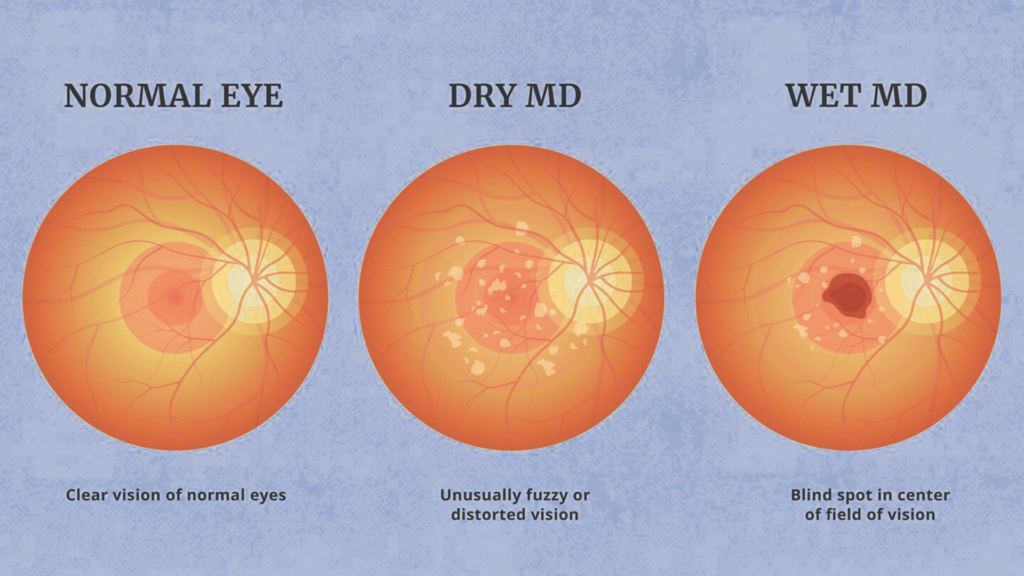

Dry age-related macular degeneration (AMD) is a gradual condition in which the cells of the macula slowly break down over time. As retinal cells are damaged and not naturally replaced, vision can steadily decline over the years. You may notice blank areas or dark patches in their sight, similar to looking through smudged glasses, particularly after waking up. Everyday objects may appear distorted, altered in size or colour, or may seem to shift, fade, or disappear altogether. Many people also experience sensitivity to bright light and discomfort from glare, along with difficulty adjusting when moving between dark and brightly lit spaces. For this reason, timely and suitable treatment for dry AMD is essential.
Why does proper treatment for dry AMD matter
Dry age-related macular degeneration (AMD) is much more than a condition that affects eyesight. It can significantly influence a person’s quality of life, limiting independence, confidence, and emotional well-being. While the disease primarily damages central vision, its effects often extend far beyond the eyes, touching nearly every aspect of daily living. For many individuals, the gradual decline in vision creates ongoing challenges that can become increasingly difficult to manage over time, making seeking proper treatment for dry AMD extremely important.
Central vision is essential for many routine activities. It allows people to read books, use mobile phones, recognize faces, drive safely, prepare meals, and enjoy hobbies such as sewing, knitting, painting, or watching television. When dry AMD begins to interfere with this part of vision, even simple tasks may become frustrating. Words may appear blurred, faces may lose detail, and straight lines can seem distorted. Activities that once felt effortless may suddenly require extra concentration or assistance from others. This slow loss of independence can be deeply discouraging for many patients.
Dry AMD is a progressive disease, meaning it can worsen with time if left unmanaged. Without timely Devaluation and appropriate intervention, patients may face increasing limitations in daily life. Routine eye examinations are crucial because they allow specialists to monitor changes, assess risk factors, and recommend the most suitable care plan based on the stage of the disease.
Effective treatment is about more than preserving vision charts or retinal images—it is about protecting dignity and independence. The ability to read a message from a loved one, shop without assistance, recognize a familiar face, or move confidently through the world carries enormous personal value. When vision improves or stabilizes, patients often describe a renewed sense of control over their lives. Relief from the fear of blindness or dependence can be transformative, restoring hope and emotional balance.
Seeking prompt and appropriate treatment for dry AMD should never be seen as optional. The condition can have serious practical and emotional consequences, but early action can make a meaningful difference. With regular monitoring, professional guidance, and access to evolving treatment options, many people can maintain better function and quality of life for longer. Addressing dry AMD early offers the chance to replace uncertainty with confidence, helping individuals remain connected, capable, and engaged in the life they value.